Choosing the Best Veterinary Clinic for canine tplo surgery in Your Area
Everything About Vet Surgery: Comprehending the Value of Professional Treatment for Your Family pets
Vet surgical treatment is a vital component of family pet healthcare. It includes different procedures, from routine optional surgeries to immediate interventions. Understanding the intricacies of these surgical procedures can aid pet dog proprietors make notified choices. The prep work, execution, and healing stages are essential for guaranteeing the wellness of animals. With correct knowledge, proprietors can browse the complexities of veterinary treatment. What aspects should be thought about before a pet undergoes surgical treatment?
Types of Veterinarian Surgeries
When a pet dog calls for medical intervention, recognizing the different types of veterinarian surgeries can assist pet dog owners make informed choices. Vet surgeries can be extensively categorized right into three major types: elective, immediate, and emergency surgeries. Optional surgical treatments, such as spaying or neutering, are prepared procedures that are not promptly dangerous. Urgent surgeries, like those for international body elimination, should be performed quickly yet are not lethal in the moment. Emergency situation surgeries, such as those attending to extreme injury or interior bleeding, are vital and call for instant attention.Additionally, surgical procedures can vary in intricacy, varying from minimally invasive laparoscopic procedures to much more considerable open surgical treatments. Each kind of surgical treatment brings its own threats and recovery procedures. Understanding these groups permits pet dog proprietors to engage in significant discussions with vets, resulting in much better end results for their beloved pet dogs.
Getting ready for Your Pet dog's Surgical procedure
Planning for an animal's surgical treatment entails a comprehensive checklist to ensure all basics are covered. Efficient interaction with the vet is essential for understanding the treatment and any needed pre-operative actions - emergency vet bellingham. Furthermore, having clear post-operative care instructions will aid proprietors give the very best assistance for their recovering animals
Pre-Surgery Checklist Essentials
Guaranteeing a smooth medical experience for an animal requires careful preparation and focus to detail. A pre-surgery checklist is essential for animal proprietors to comply with. Verifying the set up surgical treatment date and time is essential. Owners ought to likewise validate that their animal has fasted according to the veterinarian's directions, commonly for 8-12 hours before surgical treatment. Collecting essential clinical records, consisting of vaccination background, is very important for the veterinarian's evaluation. It is also a good idea to prepare a comfortable area at home for the family pet's recuperation after surgical treatment. Owners must have a strategy for transport to and from the veterinary center, making sure that the family pet is safe and comfortable throughout the journey. Complying with these actions can substantially improve the medical experience.
Connecting With Your Vet

Efficient interaction with the vet is important for an effective surgical experience for animals. Proprietors ought to be prepared to review their pet dog's case history, consisting of any type of pre-existing conditions, medications, and allergies. This information aids the vet assess risks and customize the medical plan appropriately. Furthermore, pet proprietors need to ask concerns pertaining to the procedure, anesthetic, and expected end results to ensure they completely understand the procedure. Clarifying any doubts can relieve stress and anxiety for both the family pet and the proprietor. It is additionally vital to interact any type of behavior changes or problems observed in the family pet leading up to the surgical procedure. Inevitably, clear dialogue cultivates trust fund and partnership, ensuring that family pets receive the most effective possible care throughout their medical journey.
Post-Operative Care Instructions
After going over the operation with the veterinarian, family pet owners need to focus on post-operative treatment instructions to promote a smooth recuperation for their family pets. These directions usually consist of keeping an eye on the medical site for indicators of infection, such as redness or discharge. Family pets might require to be kept one's cool and constrained to stop extreme movement that could disrupt recovery. Pain monitoring is vital, so proprietors should comply with the veterinarian's assistance on providing medicines. In addition, dietary restrictions may be advised to stay clear of stomach trouble. Normal follow-up consultations are necessary to ensure appropriate healing and attend to any kind of concerns. By sticking to these post-operative care guidelines, animal owners can considerably add to their pet's recuperation and overall wellness.
The Surgery Explained
The surgery for animals encompasses essential steps that guarantee their safety and recovery. Pre-surgery prep work are important for minimizing risks, while post-operative care guidelines play an essential function in advertising recovery. Comprehending these parts helps pet dog owners browse the surgical experience extra efficiently.
Pre-Surgery Preparations
Before an animal undergoes surgical procedure, a number of crucial prep work should take place to guarantee a secure and effective procedure. Initially, a thorough vet assessment is necessary to analyze the pet dog's total health and determine any kind of prospective threats. This may consist of blood examinations, imaging, or various other diagnostics. The veterinarian will also review anesthesia options tailored to the pet dog's details demands. In addition, pet proprietors are generally advised to hold back food and water for a defined time before surgical treatment to reduce the danger of issues during anesthesia. It is very important for proprietors to supply a complete medical history, consisting of any kind of medicines or allergies, ensuring the medical group has all necessary details. Proper communication and adherence to pre-surgery standards can significantly boost the outcome of the treatment.
Post-Operative Care Guidelines
Appropriate post-operative treatment is necessary for guaranteeing a pet's recuperation following surgical procedure. After the procedure, pet dogs ought to be kept an eye on carefully for any kind of signs of complications, such as excessive bleeding, swelling, or unusual habits. It is essential to comply with the veterinarian's instructions concerning medications, consisting of painkiller and antibiotics. Family pets must be kept in a silent, comfy atmosphere to reduce anxiety and advertise recovery. Limiting activity is essential; short, leashed strolls might be necessary, but jumping or running must be stayed clear of. Regular follow-up visits ought to be arranged to evaluate the healing process. In addition, the surgical website must be kept clean and dry, with any indicators of infection reported to a veterinarian promptly. Complying with these standards improves healing end results.
Anesthetic and Pain Management
Effective anesthesia and discomfort monitoring are necessary elements of veterinary surgery, guaranteeing that animals remain comfy and safe throughout the treatment. Veterinarians evaluate each pet's individual needs, taking into account elements such as age, weight, health status, and the kind of surgical treatment being performed.Anesthesia methods generally include a mix of pre-anesthetic medications, induction agents, and inhalant anesthetics, enabling accurate control over the animal's degree of consciousness. Monitoring throughout surgical procedure is important; vets constantly observe important indicators to resolve any possible difficulties promptly.Pain monitoring methods might involve opioids, non-steroidal anti-inflammatory medications (NSAIDs), and anesthetics, customized to the animal's details circumstance. This multifaceted technique assists lessen discomfort and promotes a smoother medical experience. By focusing on efficient anesthetic and pain administration, vet experts boost the total welfare of family pets undertaking surgical procedures, guaranteeing they receive the highest possible criterion of care.
Post-Operative Care and Recuperation
Complying with surgery, the focus moves to post-operative care and recovery, which is essential for guaranteeing a pet dog's safe go back to normal tasks. Throughout this period, animals require a peaceful, comfortable atmosphere to help recovery. Proprietors need to closely check their pets for any type of signs of pain or uncommon behavior.Veterinary guidelines commonly include certain directions associated with medicine management, injury care, and dietary changes. It is crucial to abide by these recommendations to decrease difficulties and promote healing. Family pets may require to be limited from vigorous tasks, such as running or leaping, throughout their recuperation period (animal emergency care bellingham).Regular follow-up appointments with the veterinarian enable for tracking of the family pet's progression and prompt modifications to the care strategy. Offering emotional support and friendship can likewise enhance a pet's healing experience, assisting to ease tension and anxiety. Overall, thorough post-operative treatment plays a considerable role in attaining a successful healing
Recognizing Complications After Surgery
How can family pet owners identify complications after surgical treatment? Awareness of certain indications is vital for making certain the well-being of family pets during recuperation. Usual signs consist of excessive swelling, redness, or discharge at the medical website, which may represent get more info infection. In addition, consistent discomfort, suggested by whimpering or unwillingness to relocate, need to trigger instant focus. Changes in cravings or water consumption can also suggest problems; a decrease in these behaviors might signify pain or distress.Moreover, pet dog owners should check their pets for any kind of unusual actions, such as lethargy or problem breathing, as these can be indications of significant issues. Vomiting or diarrhea following surgical treatment may call for urgent veterinary analysis. Identifying these difficulties early can considerably impact an animal's healing process, highlighting the relevance of alertness and timely interaction with a vet for any type of concerning signs.
The Function of Veterinary Specialists in Surgical Care
Veterinary experts play a necessary duty in ensuring the safety and success of procedures for animals, particularly complying with surgery when monitoring and treatment are vital. These professionals include vets, veterinary service technicians, and assistance personnel, every one of whom add specialized skills to the surgical process.Before surgery, vets conduct complete analyses to examine the animal's health and wellness, guaranteeing that any underlying problems are handled. During the procedure, the medical group provides anesthetic, keeps sterilized environments, and keeps track of essential indicators, all vital for decreasing risks.Post-operative treatment is equally considerable; veterinary specialists observe for difficulties, take care of pain, and overview owners on recuperation techniques. Their proficiency allows them to acknowledge early signs of distress or infection, ensuring timely intervention. Eventually, the collaborative initiatives of vet professionals in surgical care cultivate a risk-free environment, advertising the well-being of animals throughout the medical trip.
Frequently Asked Inquiries
Exactly how Do I Pick the Right Veterinary Surgeon for My Family pet?
Picking the ideal vet specialist involves researching qualifications, reading testimonials, and assessing the clinic's setting. It is important to assess the doctor's experience with particular procedures and their interaction style when making a choice.
What Prevail Misconceptions Concerning Vet Surgeries?
Common misconceptions regarding vet surgeries consist of ideas that they are constantly high-risk, unnecessary, or just for emergency situations. Several family pet proprietors undervalue the advantages of precautionary treatments and the ability associated with vet surgical care.
Just How Much Will My Pet dog's Surgical procedure Price?
The expense of a family pet's surgical treatment can differ substantially based upon variables such as the kind of treatment, the vet's experience, and geographical place (tplo surgery for dogs). Typically, expenses range from a few hundred to numerous thousand bucks
Can My Family Pet Eat Before Surgery?
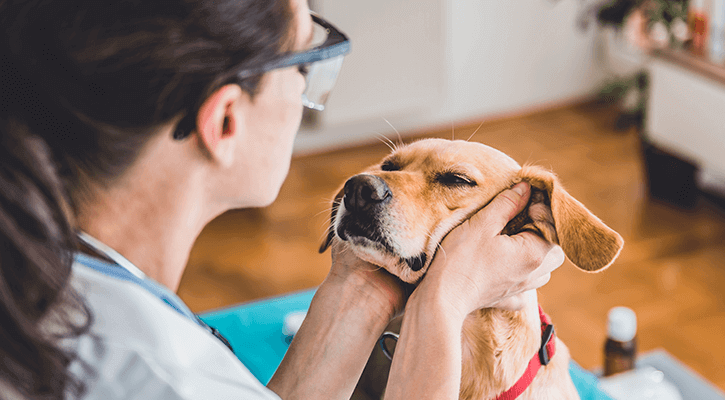
Before surgical procedure, it is normally suggested that pets avoid eating for a details duration. This fasting helps in reducing the threat of problems throughout anesthetic. Proprietors need to consult their vet for precise instructions customized to their pet's demands.
Suppose My Pet Has Pre-Existing Wellness Conditions?
When a pet dog has pre-existing wellness conditions, it's essential for the veterinarian to assess these elements before surgical procedure. This examination assurances appropriate precautions are taken, lessening risks and enhancing the animal's general safety throughout the procedure.